Interested in implementing the system in your building?
Contact us to learn how the system can work in your facility.


The environmental conditions analysis system is an intelligent solution based on the DetEp architecture, designed for comprehensive analysis and optimization of comfort and workplace environmental quality in every room. It combines continuous microclimate monitoring with real-time occupancy analysis, enabling informed and efficient space management.
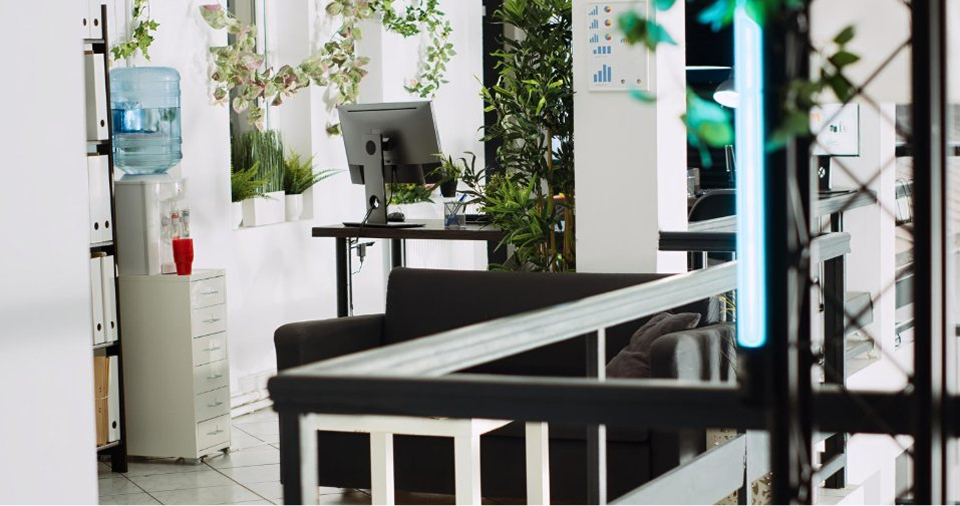
The system operates as an advanced environmental data hub, integrating information from sensors and measurement nodes assigned to specific rooms. In real time, it analyzes parameters such as CO₂ levels, particulate matter (PM), volatile organic compounds (VOC), temperature, humidity, and lighting intensity.
Through continuous analysis, the system:
Collected data can be processed locally or in the cloud, allowing flexible adaptation of the system architecture to organizational needs and existing technical infrastructure.
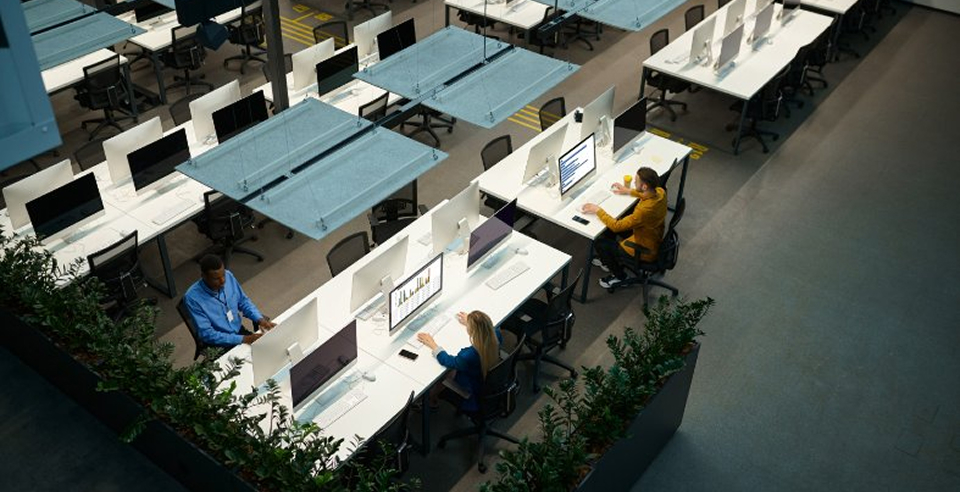
The system is based on a distributed measurement layer.
Measurement nodes installed in rooms continuously monitor environmental parameters and transmit data to a central server. All information is stored in a central event database, creating a consistent and comprehensive source of knowledge about the facility.
Each change in parameters (e.g., increase in CO₂, decrease in humidity) automatically triggers analytical algorithms. The system calculates a synthetic environmental index S(z) for each room.
The index is presented on an intuitive scale:
green – optimal working comfort,
yellow – deteriorating conditions,
red – threshold exceeded, intervention required.
The index value includes both dynamic data (temperature, humidity, CO₂, PM, VOC, light, noise) and fixed room characteristics such as volume, ventilation class, and exposure.
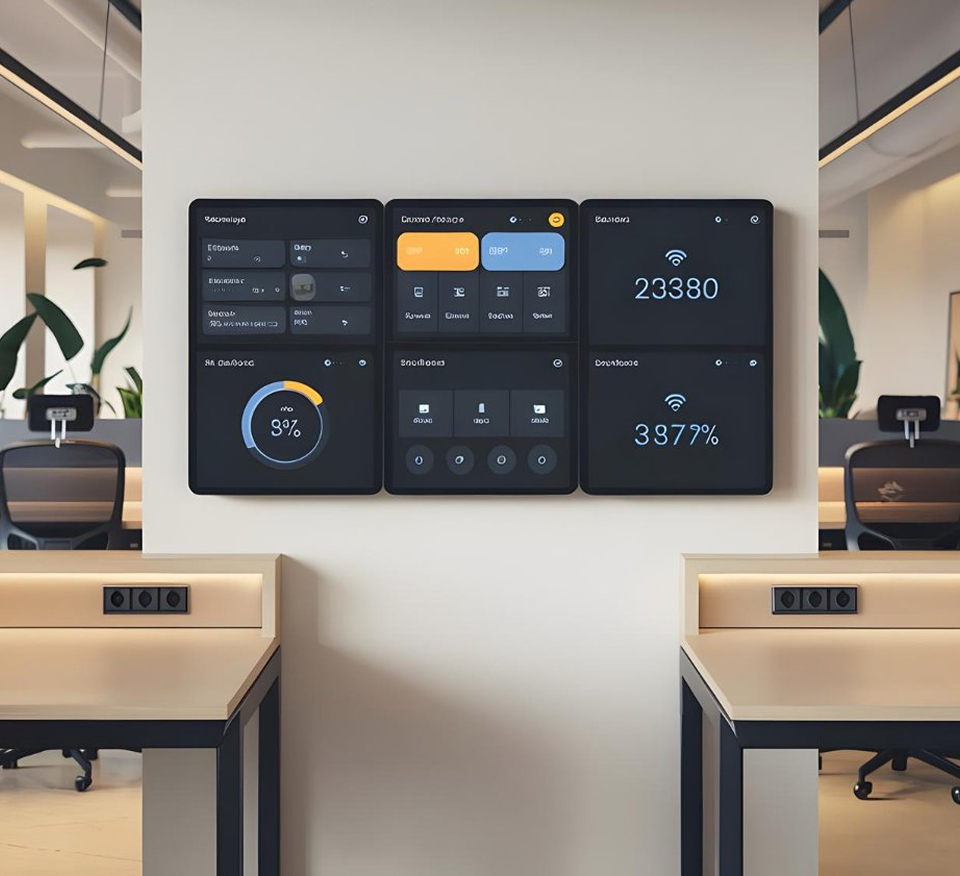
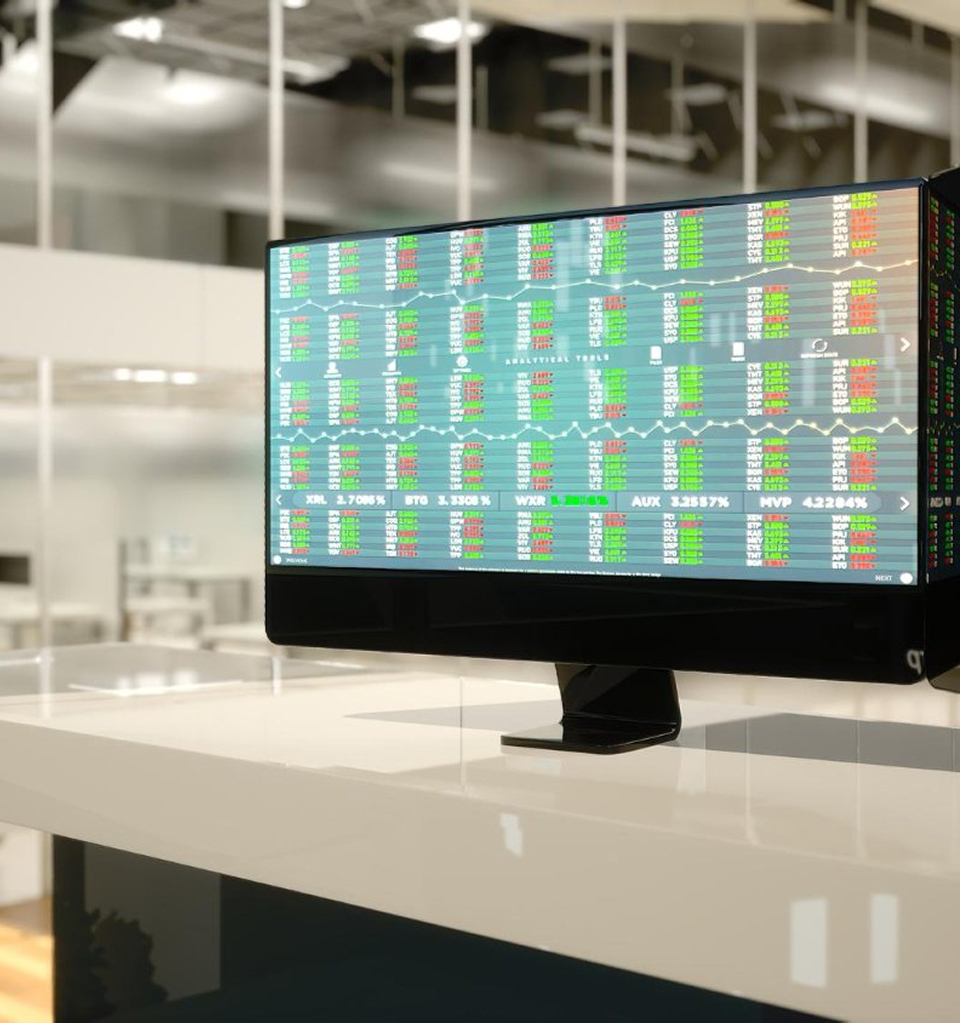
The system provides clear management dashboards tailored to different users:
The system automatically generates alerts in case of:
Notifications can be delivered as system messages, sound alerts, SMS, email, or mobile app notifications.
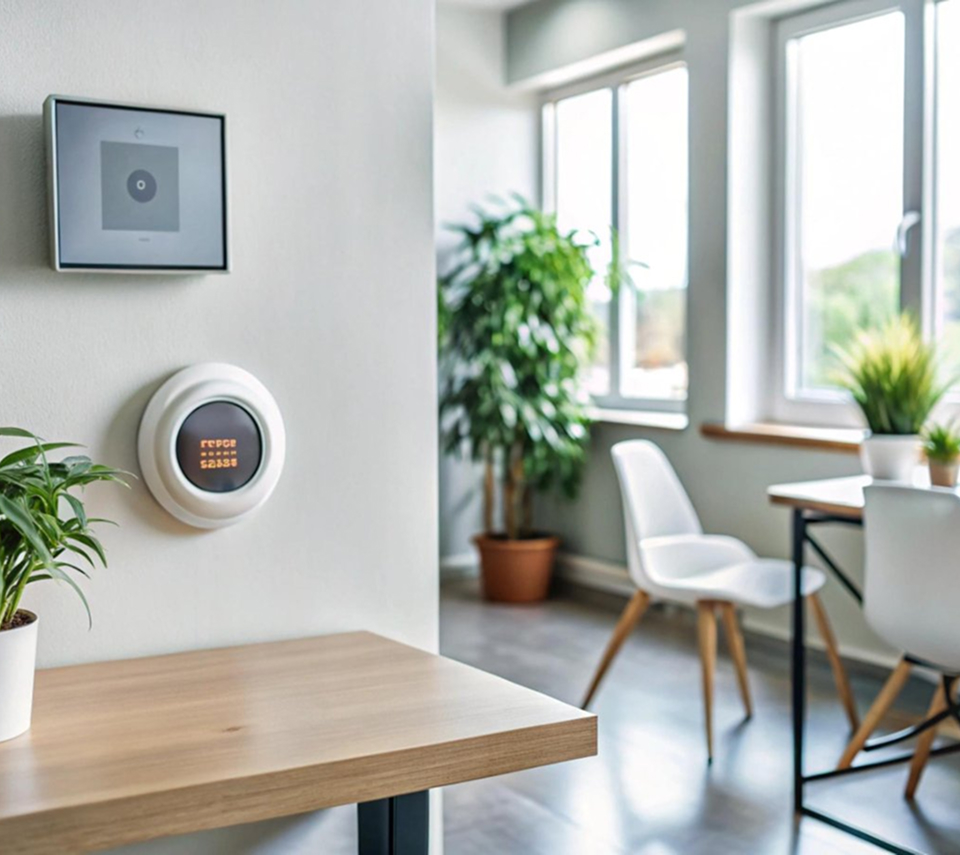

The system can operate not only in an informative mode but also in a control mode, supporting building energy efficiency and reducing operating costs..
In case of threshold exceedance, automatic HVAC adjustments may include:
Advanced analytics enable long-term optimization of the work environment.
Reports include, among others:

 Air parameters
 Comfort parameters
 System parameters
The environmental conditions analysis system supports a wide range of communication protocols, enabling easy integration with existing building infrastructure..
The system continuously monitors environmental conditions in rooms and presents a clear Readiness Index status: green / yellow / red. Thanks to threshold-based and trend-based alerts, the operator can immediately see where conditions support concentration and operational continuity, and where intervention is needed.
Zone Readiness Index
Zone Readiness Index (green / yellow / red)
The system collects data on temperature, humidity, and CO₂ (also PM/VOC, noise, and light) and converts them into a clear zone readiness indicator. It triggers alerts not only when thresholds are exceeded, but also when parameters begin to deteriorate rapidly.
Outcome: immediate visibility of where conditions support effective work and where performance risks are increasing.
 Facility Operating Modes
Facility Operating Modes: Standard / Elevated Readiness
Depending on the situation, the system adjusts thresholds, priorities, and reporting logic.
In Elevated Readiness mode, it operates with stricter limits, generates more frequent alerts, and focuses attention on zones with the highest operational importance.
Outcome: consistent operation in both routine and crisis situations, without information overload.
 Protected Zones
Protected Zone (Collective Protection): Overpressure, Filtration, Integrity
The system monitors the stability of overpressure in the protected zone and the proper operation of the filtration and ventilation system.
It detects early signs of integrity loss, such as overpressure drops, system bypasses, or malfunctioning components.
Outcome: a simple answer to the question “Is the protection working?” along with fast alerts about faults or emerging risks.
 Energy and Power Continuity
Energy Management and Power Continuity for Critical Zones
The system monitors power supply, generators, and loads (using MCA5Tech together with the environmental analytics system) and supports zone prioritization, ensuring that critical areas maintain operation even when energy resources are limited.
Outcome: faster decisions on load shedding and maintaining critical operational functions